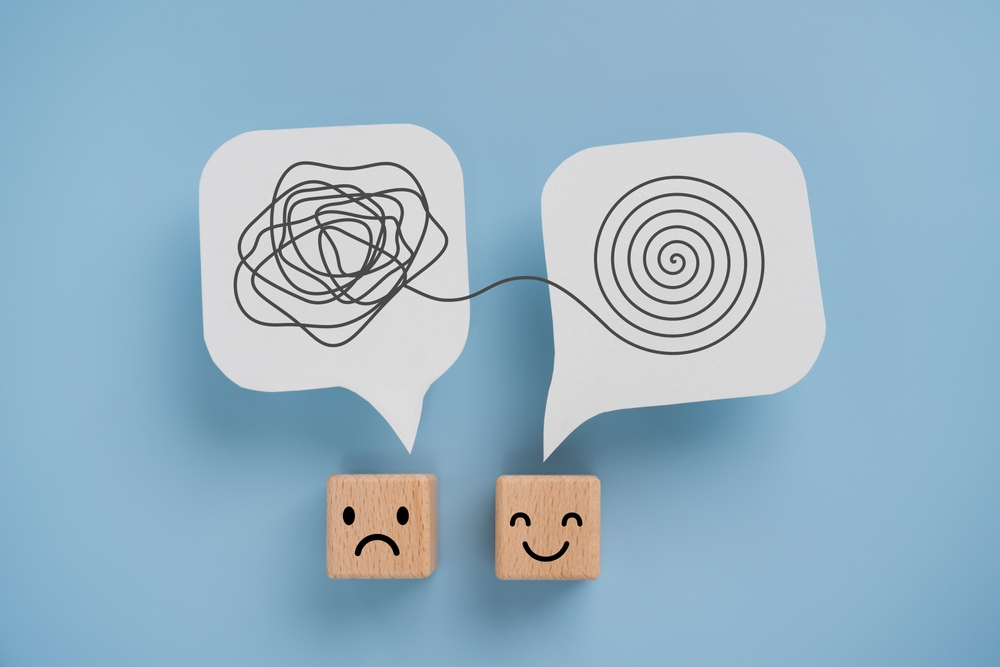
We don’t like to say it out loud, but many of us know it’s true:
The mental health system is letting people down.
People who reach out for help too often find a maze instead of a lifeline.
Someone finally gathers the courage to say, “I’m not okay.” And what happens next?
They’re told the next available appointment is in six weeks.
Or they can’t find an available professional.
They’re handed a list of providers who don’t take their insurance.
They sit through rushed sessions that barely scratch the surface.
They’re given drugs instead of listening.
They’re offered a one-size-fits-all “solution.”
Or worse—they’re in crisis and still can’t get immediate, compassionate care.
Sound familiar?
Few affordable mental health facilities where a patient can get intensive treatment can be found. If you do find one, it can cost six figures a year and services aren’t covered by many insurances.
I won’t even address the unhoused mentally ill–there’s nothing at all for them.
It’s a cruel irony. We tell people to speak up, to ask for help, to not suffer in silence. But when they do, the doors are often half-closed.
Why?
Part of it is structural. There simply aren’t enough providers, especially ones who are accessible and affordable. Insurance dictates care in ways that feel detached from human need. Short sessions. Limited coverage. Endless hoops. The system doesn’t work.
Part of it is cultural. Despite all our “progress,” mental health is still treated differently than physical health. If someone had chest pain, we wouldn’t tell them to wait a month. If someone couldn’t breathe, we wouldn’t ask if their provider was “in network.”
And part of it is fragmentation. Care is scattered—therapists here, psychiatrists there, crisis services somewhere else entirely. People are left to navigate it all when they are least equipped to do so.
So what can we do?
We can push for parity—not just in language, but in action. Mental health care should be as accessible and urgent as any other form of care.
We can advocate for more funding, more training, more providers entering the field—and staying in it without burning out.
We can support integrated care models where mental health is not siloed, but part of the whole picture.
We can check in on each other in ways that go beyond “let me know if you need anything.” Sometimes people don’t know what they need. Sometimes they just need someone to stay.
And we can be honest about the system’s limitations—without giving up on the people inside it who are trying, often against impossible odds, to make a difference.
Because this isn’t about assigning blame.
It’s about acknowledging a gap—one that too many people fall into.
Until we close that gap, we cannot keep telling people “help is there” without also asking: Is it really there when they need it most?
We can do better.
We have to.


Our mental and healthcare system is so awful. Plus, we have an incompetent, non-compassionate group of dunces in charge. Let’s pray it changes someday.
Laurie we are on the same page with this.
Beautiful and necessary post. And in so many cases, true. I have a friend who went through SOME of the process and the MD’s parting comment was to “DO PUZZLES.” That was in itself a puzzling recommendation. As we age, our brains do also. Stay close to your care-givers and when you might need help, ask for it. The biggest problems can often be related to our youth, who seek illicit drugs to calm their brains, when a doctor sitting down with them and discussing what is happening would be a helpful and often healing choice. Thank you.
Do puzzles. OMG. Do puzzles!! That is crazy.
This was such a meaningful post and definitely important. The cultural aspects certainly make a difference due to perceptions formed over many years regarding mental health, more so with it often being downplayed or misunderstood. Well written 👍
Yes, cultural aspects do play an important role. Good point.
Ugh, it so is letting us down. I hate how long it can take to get help and then sometimes insurance won’t even cover it. The process is so frustrating.
Don’t even get me started on insurance coverage.
This is so important, and reform is long overdue. I just saw a story about a woman who was assaulted by a cop when she was asking for mental health.
OMG how awaful. I think PDs differ in their handling of these issues. Not all are like this.
I think a combination of budget cuts, staff layoffs, and a continual clinging to the idea that therapy makes you weak really is making it so hard to address mental health to this day.
Those are key factors in the problem, for sure.
I like your powerful and important reflection on the mental health system. I appreciate the thoughtful critique and the call for compassion, reform, and deeper understanding overall.
All of those things are so important!
I really appreciated this post. Mental health challenges affect so many individuals and families, and discussions like this help bring greater awareness and understanding to the conversation. Thank you for shedding light on such an important issue.
Yes we have to take the stigma away and talk openly.
I have seen that happen in the school system. Scattered and then no follow-up.
Follow up is so important. And kids really need that early intervention.
Great article. Mental health should be one of the top priorities of the health system, but sadly, it is not.
I only wish it were. It too often falls to the bottom of the list.
This is such an important conversation. It takes tremendous courage for someone to reach out for help, and unfortunately too many people are met with long wait times, limited resources, or barriers that make getting care even harder. Mental health support should be accessible when people need it most, not weeks or months later. Thank you for shining a light on an issue that affects so many families and communities
You bring up such good points. All very true.
Navigating the system is a nightmare, and it pains me that there is so much lip service about mental health and how we can all come together to help those in need. What you described is factual. Most people just give up. Who has the energy to call 1700 listed providers when most say NO to affordable care, or whatever insurance they don’t want? Our mental health system has a disregard for human life, with empty promises made by our elected officials. The whole thing is a travesty!
You are right about that. It’s frustrating. And infuriating.