It’s possible that some of my long-held beliefs are based on lies. Entirely possible. It’s also possible that they are not based on lies at all and still hold true. I have no way of knowing which is true.
That’s because we’ve been lied to about so many things. It is, for example, entirely possible we’ve been lied to about science–which I’ve always held dear. It’s as possible that we’ve been lied to as it is that we haven’t. Fact is, we don’t know.
So how do we cope with this scenario?
I live by the motto We don’t know what we don’t know. Stop and think about that for a minute.
It means there are gaps in our understanding that we aren’t even aware of.
It’s not just about lacking information—that’s easy to fix. It’s about being unaware that something exists to be known in the first place—a much deeper limitation.
Think of it in layers:
What we know we know → things we’re aware of and understand (or so we think) What we know we don’t know → questions we can ask, gaps we can try to fill What we don’t know we don’t know → blind spots we can’t even see
That last category is the most powerful—and the most dangerous—because it shapes our confidence. We walk around assuming we have a pretty complete picture, when in reality, there may be entire pieces missing.
It’s why people can feel certain and still be wrong. Why systems can fail in ways no one anticipated. Why truths can exist outside the boundaries of what’s considered “possible.”
At its core, the phrase is a humbling reminder: no matter how informed we think we are, reality is always bigger than our awareness of it.
And sometimes, the biggest revelations aren’t answers to questions we’re asking—but answers to questions we didn’t even know to ask.
Pushback
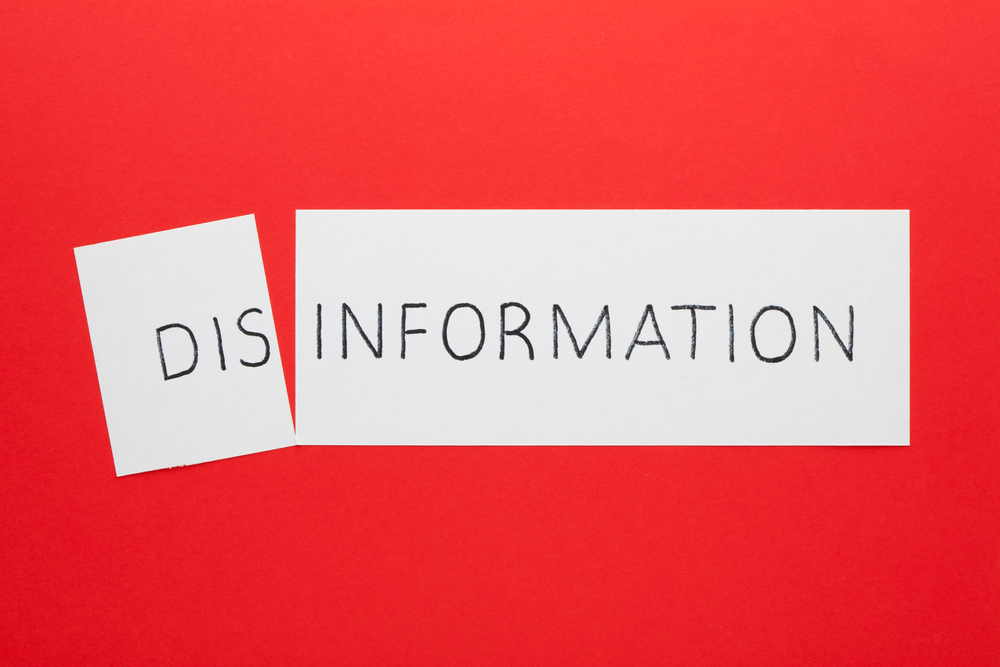
When I suggest the possibility that long-held truths may not be true at all, I can get almost violent pushback from people who still hold on to those beliefs.
I see that particular kind of denial as chosen, not innocent.
Not because people don’t have access to information, but because facing it would require something uncomfortable: admitting that terrible things can and do happen, often closer to home than we’d like to believe.
So instead of remaining open to the possibility, we dismiss it. We label it “exaggeration,” “fringe,” or “impossible.” Or my favorite: “conspiracy theory.” We tell ourselves that if something truly heinous were happening, someone would stop it. Someone would expose it. Someone in authority would make it right.
That belief is comforting. It’s also dangerously naive.
History has shown us, again and again, that people are fully capable of looking away while the unthinkable unfolds—sometimes because they’re afraid, sometimes because it’s inconvenient, and sometimes because acknowledging it would shatter the version of the world they rely on to feel safe. Let’s talk WWII Germany.
Denial is a powerful anesthetic.
It allows people to scroll past, to change the subject, to poke holes in uncomfortable truths instead of sitting with them. It turns real suffering into something abstract, debatable, or distant. And in doing so, it protects the status quo.
Let’s be honest: waking up is not pleasant.
It means accepting that institutions can fail. That authority can mislead. That harm can exist without immediate consequences. It means tolerating ambiguity, anger, and the loss of easy answers.
But the alternative—staying asleep—is worse.
Because denial doesn’t make heinous things disappear. It gives them room to continue.
No one is asking for blind belief or reckless accusation. But reflexive dismissal? That’s just another form of complicity.
At some point, we have to decide: is our comfort more important than the truth?
Because reality doesn’t soften itself to spare us. And pretending otherwise doesn’t make it any less real.
I spent far too much of life being in denial about what was happening in the world but I’m getting better now at waking up—or rather FORCED into being awake by all the rotten things happening in the U.S. Everythign has been turned upside down.
Sadly, I just had a similar conversation with my internist, how we can believe nothing anymore. I’ve always been suspiciously awake but now it’s just amped up.
Here you’ll find my blog, some of my essays, published writing, and my solo performances. There’s also a link to my Etsy shop for healing and grief tools offered through A Healing Spirit.
I love comments, so if something resonates with you in any way, don’t hesitate to leave a comment on my blog. Thank you for stopping by–oh, and why not subscribe so you don’t miss a single post?
 When I suggest the possibility that long-held truths may not be true at all, I can get almost violent pushback from people who still hold on to those beliefs.
This is brilliant! And undeniably true.
Thanx, Donna. I do think it clearly expresses how I look at things.
I really enjoy reading the voice of reason. Thank you Carol
Thanks, Debbie. Some people don’t think it’s reasonable, but I am convinced of it.
I spent far too much of life being in denial about what was happening in the world but I’m getting better now at waking up—or rather FORCED into being awake by all the rotten things happening in the U.S. Everythign has been turned upside down.
Sadly, I just had a similar conversation with my internist, how we can believe nothing anymore. I’ve always been suspiciously awake but now it’s just amped up.